Artemis SmartGARP European Equity Fund
Q4 2025 update


Source for all information: Artemis as at 31 December 2025, unless otherwise stated.
Performance
The fund had a good quarter and indeed a very good year. It was up 9.8% in Q4, 55.9% for the 2025 calendar year and 836.8% since inception. By comparison, the FTSE World Europe ex UK index returned 6.5%, 27.9% and 452.3% over the same periods respectively. The fund is the top performer within the IA Europe Excluding UK sector over one, three and five years.
| Three months | Six months | One year | Three years | Five years | |
| Artemis SmartGARP European Equity Fund | 9.8% | 18.0% | 55.9% | 108.8% | 154.5% |
| FTSE World Europe ex UK index | 6.5% | 11.9% | 27.9% | 52.4% | 66.5% |
| IA Europe Excluding UK NR | 5.0% | 7.8% | 22.2% | 40.8% | 47.8% |
Past performance is not a guide to the future. Source: Lipper Limited/Artemis for class I accumulation GBP to 31 December 2025. All figures show total returns with dividends and/or income reinvested, net of all charges. Performance does not take account of any costs incurred when investors buy or sell the fund. Returns may vary as a result of currency fluctuations if the investor's currency is different to that of the class. Classes may have charges or a hedging approach different from those in the IA sector benchmark.
The long-term success of the fund lies in its ability to uncover stocks that grow faster than the market. More recently, the fund has been aided by a re-rating of our stocks from incredibly low levels to valuations that are merely low. There is probably more to go on the re-rating front and in the meantime, our SmartGARP process continues to alight on long-term growers. As such, while we should not expect super-sized returns going forward, they should nevertheless be good.
Since inception, the fund has outperformed the market by just over 2 percentage points per annum after fees, while Europe ex-UK funds in general have underperformed by 0.5 percentage points per annum. So clearly, we are doing something different.
In many ways, what we try to do is very similar to what many active managers attempt – we buy stocks that we think are undervalued versus their growth. The difference is that we are probably more disciplined in focusing on factors that work (rather than gaining comfort from meeting the management), more disciplined in executing our strategy (we have higher turnover than many others) and more prepared to hold non-consensus views.
This latter point has been clearly illustrated over the past few years whereby we ended up with a big pro-value tilt; at the same time, the average active fund was trading on a 20% premium to the market. A year ago, 86% of assets under management in the Europe ex-UK space were anti-value. That has now fallen to 79%. It seems that clients are changing their views, albeit very slowly.
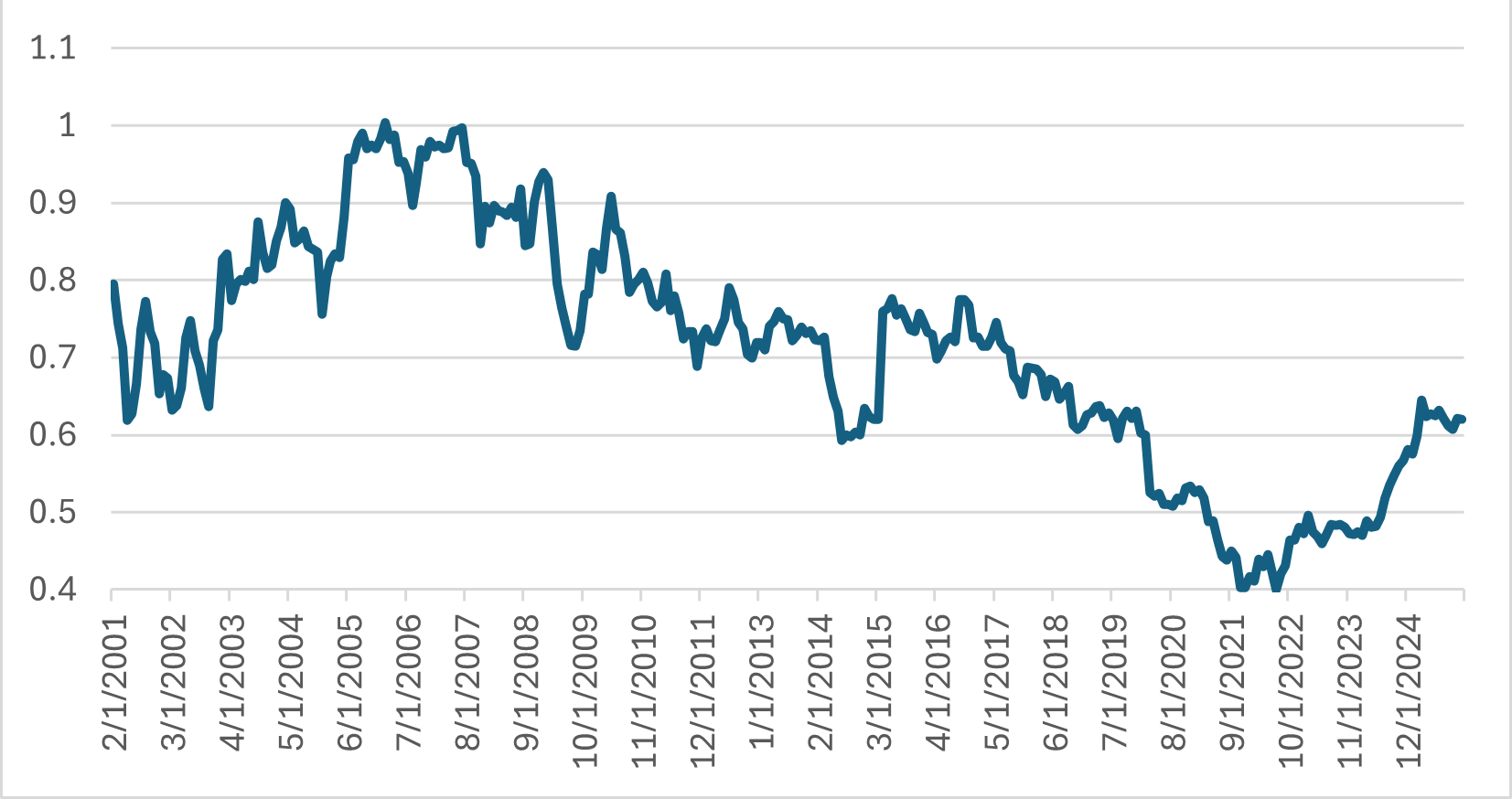
In theory, stocks with low price-to-earnings (P/E) multiples should deliver poor earnings per share (EPS) growth. But in reality, over the past three years, the EPS of our fund has grown by 6% per annum, which is identical to that of the market. In the meantime, our fund has had a higher dividend yield and its prospective P/E multiple has risen by 60% from 6x to 9.5x (the market multiple rose 23% from 12.4x to 15.3x). The re-rating is partly because it was way too low, in our view, but also because the EPS growth of our stocks has been good.
Re-rating: The fund's P/E multiple relative to its benchmark
Source: LSEG Datastream, data to 31 December 2025
It has been this re-rating that has contributed to such good performance. The chances are that we are two-thirds of the way through the re-rating of value stocks in general. So we anticipate that 2026 could see another (albeit smaller) tailwind from a re-rating.
Superior growth
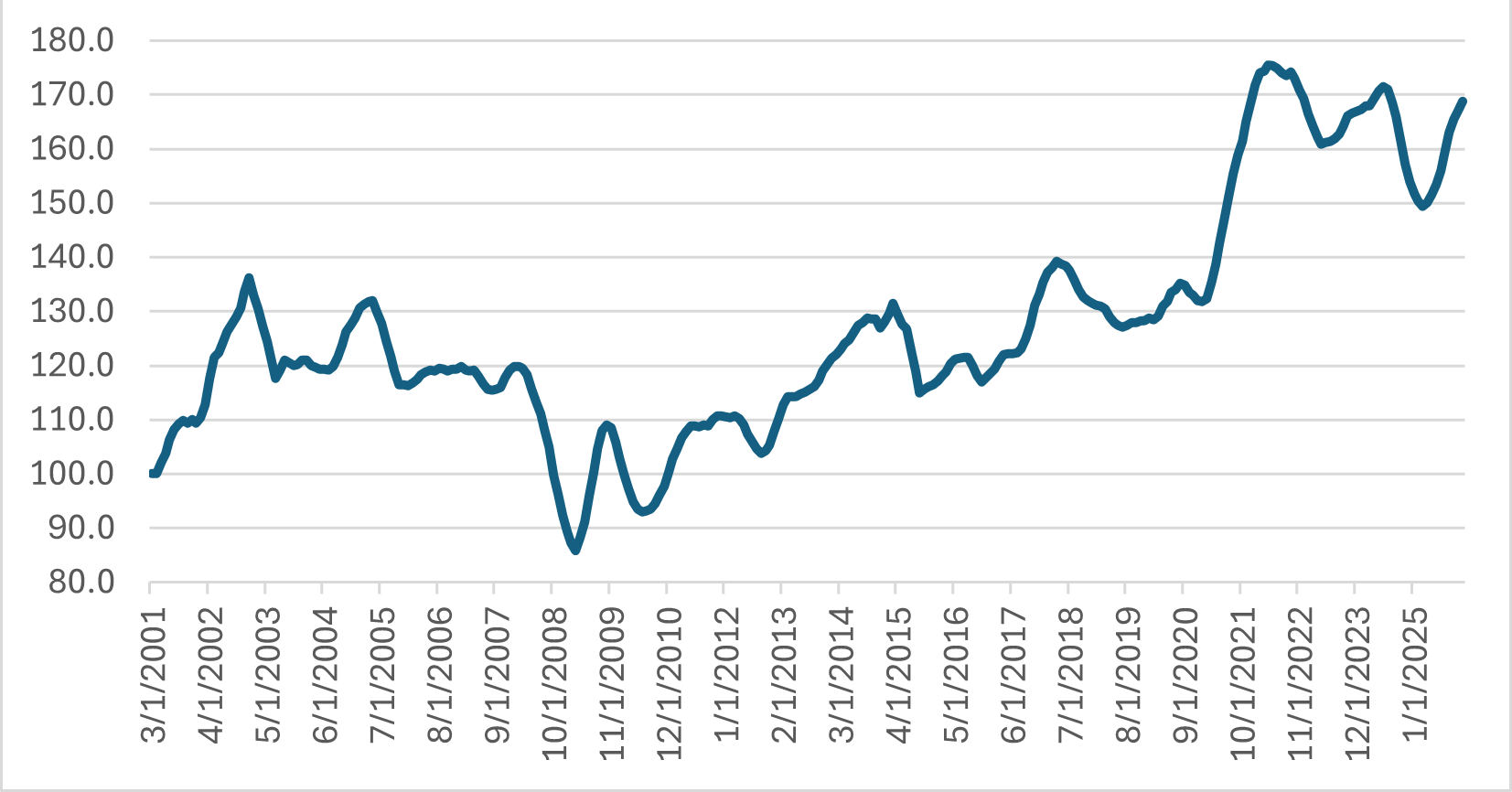
In the meantime, SmartGARP tends to steer us towards stocks that subsequently outgrow the market. Below is the rolling forecast EPS (plus extra income from dividends reinvested) for our fund versus that of the market.
Relative EPS plus dividend yield pickup
FactSet/Artemis, data to 31 December 2025
So even when the re-rating of cheap stocks is behind us, we still have an underlying uptrend in EPS to steer us in the right direction.
Upgrades to forecasts
To many investors, it may seem odd that we can own stocks that outgrow the market when clearly they are on low P/E multiples and have lower-than-market forecast growth rates. The reason is that the world never turns out the way people forecast. By tilting our fund towards stocks that keep upgrading profit forecasts, we tend to avoid many of the perennial losers and stumble upon some big winners.
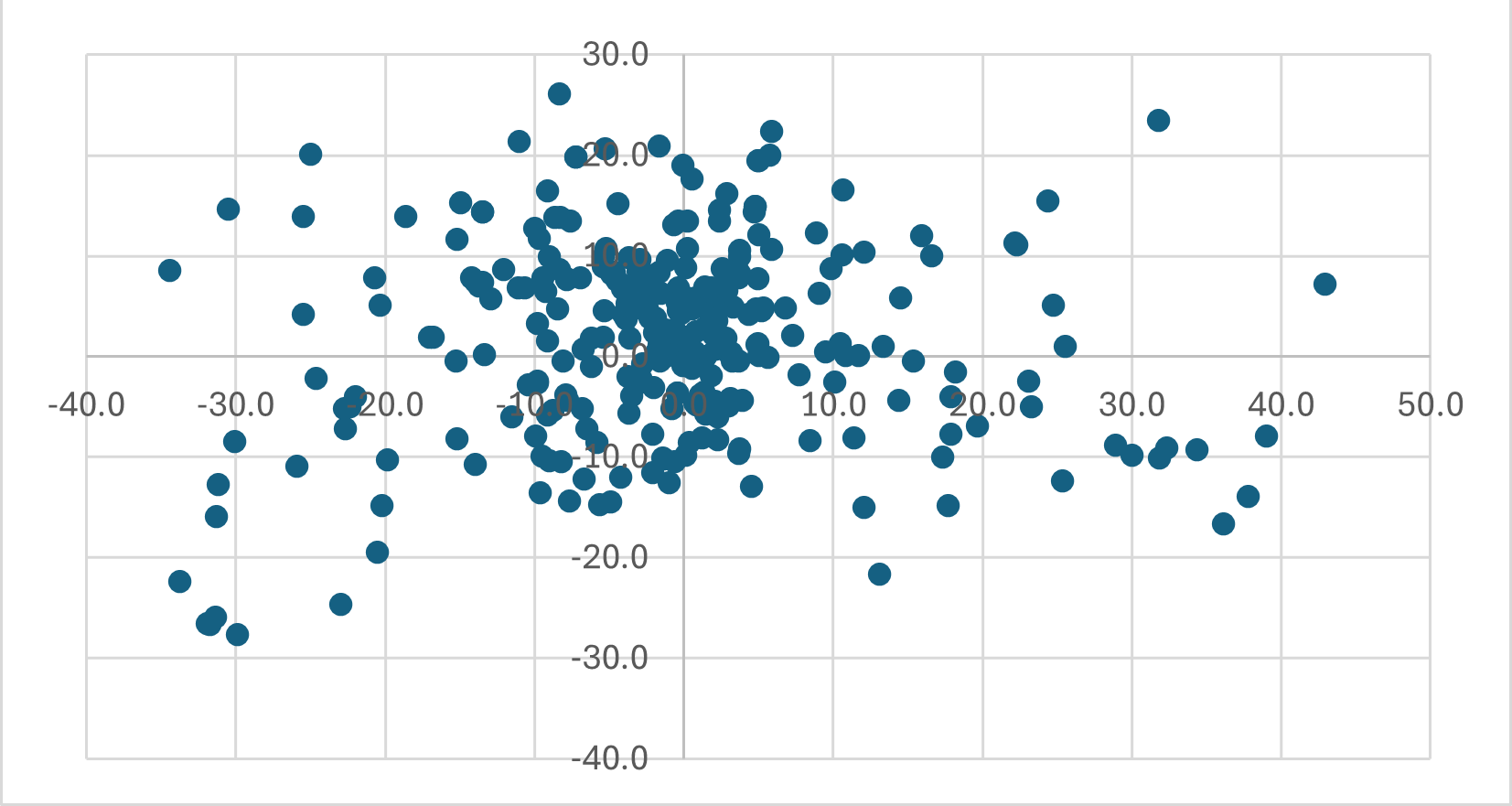
It is undoubtedly the case that we spend a lot of time and effort understanding the financial characteristics of companies and also the positioning of mutual funds around the world. Combining these two data feeds shows how we think the largest active equity funds are positioned according to both value and revisions (to profit forecasts) – both relative to their respective benchmarks (in this case I have taken the 35 largest Europe ex-UK funds, 87 eurozone funds and 146 pan-European funds in order to get a feel for where our fund is positioned compared with a broad array of European funds).
Revision bet
Source: FactSet/Artemis, data to 31 December 2025
Basically, each dot is a fund. On the right-hand side we have pro-value funds, on the left-hand anti-value, while the further up the chart you go, the bigger exposure a fund has to profit-forecast upgrades. Ours is the dot towards the top right-hand corner of the chart. So, of the 268 actively managed European equity funds captured within this universe, we have the eighth highest exposure to value and the second highest exposure to revisions. It is this exposure to upgrades that causes us to hold stocks that outgrow the market.
To achieve persistent exposure to upgrade stocks, we must have higher portfolio turnover. What we can say is that the cost of turnover has declined dramatically over time and is clearly not a major impediment to performance. The main impediment is mental – the ability to change your mind on stocks. We have managed to achieve this over the years and the subsequent results have been impressive.
Recent changes
In the fourth quarter of 2025, we sold or reduced positions in National Bank of Greece, Genmab (Danish biotech), IREN (Italian utility), Freenet (German telecom) and Aena (Spanish airports). We bought Boliden (Swedish miner), Alstom (French industrial), Nordex (German industrial), Capgemini (French software) and KGHM (Polish miner). This is a wide array of stocks, but with our automated data processing doing all the heavy lifting, we have the ability to quickly and succinctly drill down into stock detail.
Historically we have made 20% of our added value from sector picking and 80% from stockpicking. The fourth quarter of last year fitted in with this broad pattern. We outperformed by more than 7%, with 1% down to sectors (banks being the biggest contributor) and 6% from stockpicking. Societe Generale (French bank), Lottomatica (Italian lottery), Betsson (Swedish online gambling), Italgas (Italian utility) and BAM (Dutch construction) were among our biggest winners.
Outlook
After a run of such strong performance, investors may be wondering if it is too late to buy the fund. I don’t believe it is; I am still positive on the strategy. Owning stocks on a prospective P/E of less than 10x when the historic dividend yield is about 3% and where decent growth should ensue would suggest that future returns should still be good. I realise that the returns over the past couple of years have been extraordinary – this is down to the extraordinarily low P/E multiple the fund was on a few years ago. It has reverted towards the mean but is not yet 'normal'. So while the extraordinary returns may be behind us, performance going forward should still be pretty good.
FOR PROFESSIONAL INVESTORS AND/OR QUALIFIED INVESTORS AND/OR FINANCIAL INTERMEDIARIES ONLY. NOT FOR USE WITH OR BY PRIVATE INVESTORS.
CAPITAL AT RISK. All financial investments involve taking risk and the value of your investment may go down as well as up. This means your investment is not guaranteed and you may not get back as much as you put in. Any income from the investment is also likely to vary and cannot be guaranteed.
This is a marketing communication. Before making any final investment decisions, and to understand the investment risks involved, refer to the fund prospectus (or in the case of investment trusts, Investor Disclosure Document and Articles of Association), available in English, and KIID/KID, available in English and in your local language depending on local country registration, available in the literature library.

Risks specific to Artemis SmartGARP European Equity Fund
- Market volatility risk The value of the fund and any income from it can fall or rise because of movements in stockmarkets, currencies and interest rates, each of which can move irrationally and be affected unpredictably by diverse factors, including political and economic events.
- Currency risk The fund’s assets may be priced in currencies other than the fund base currency. Changes in currency exchange rates can therefore affect the fund's value.
- Charges from capital risk Where charges are taken wholly or partly out of a fund's capital, distributable income may be increased at the expense of capital, which may constrain or erode capital growth.
Important information
The intention of Artemis’ ‘investment insights’ articles is to present objective news, information, data and guidance on finance topics drawn from a diverse collection of sources. Content is not intended to provide tax, legal, insurance or investment advice and should not be construed as an offer to sell, a solicitation of an offer to buy, or a recommendation for any security or investment by Artemis or any third-party. Potential investors should consider the need for independent financial advice. Any research or analysis has been procured by Artemis for its own use and may be acted on in that connection. The contents of articles are based on sources of information believed to be reliable; however, save to the extent required by applicable law or regulations, no guarantee, warranty or representation is given as to its accuracy or completeness. Any forward-looking statements are based on Artemis’ current opinions, expectations and projections. Articles are provided to you only incidentally, and any opinions expressed are subject to change without notice. The source for all data is Artemis, unless stated otherwise. The value of an investment, and any income from it, can fall as well as rise as a result of market and currency fluctuations and you may not get back the amount originally invested.